FACILITIES
Rojavanam International School includes various elements that support the educational environment. Key components include:
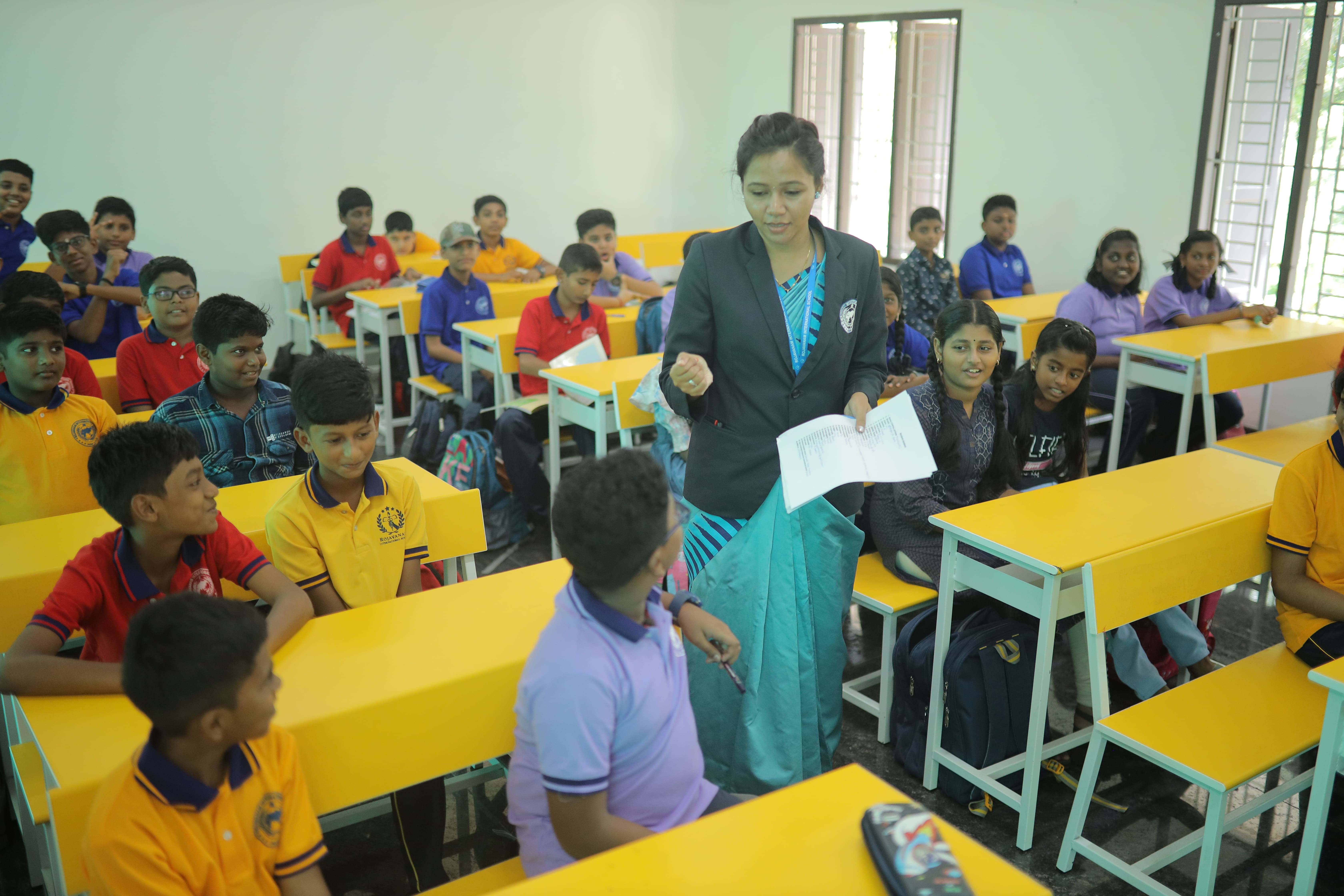
Classrooms:
Designed for instruction, often equipped with desks, chairs, whiteboards, and technology like projectors or smart boards.
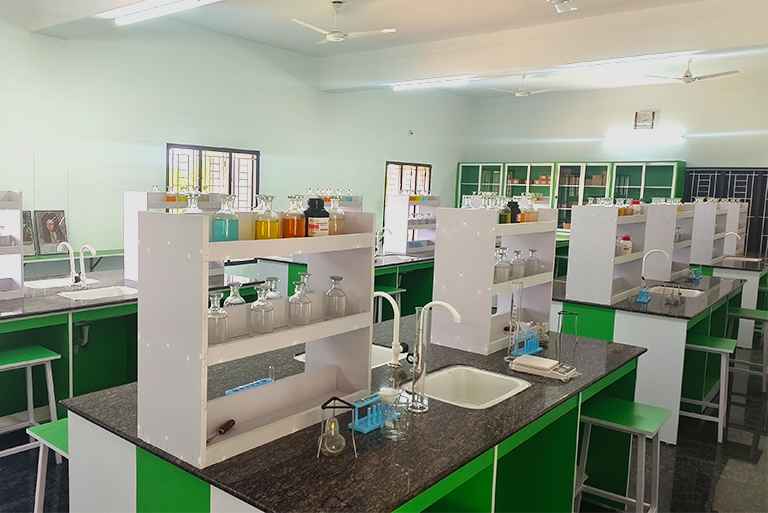
Laboratories:
Specialized spaces for science, technology, engineering, and math (STEM) education, including chemistry, biology, and computer labs.
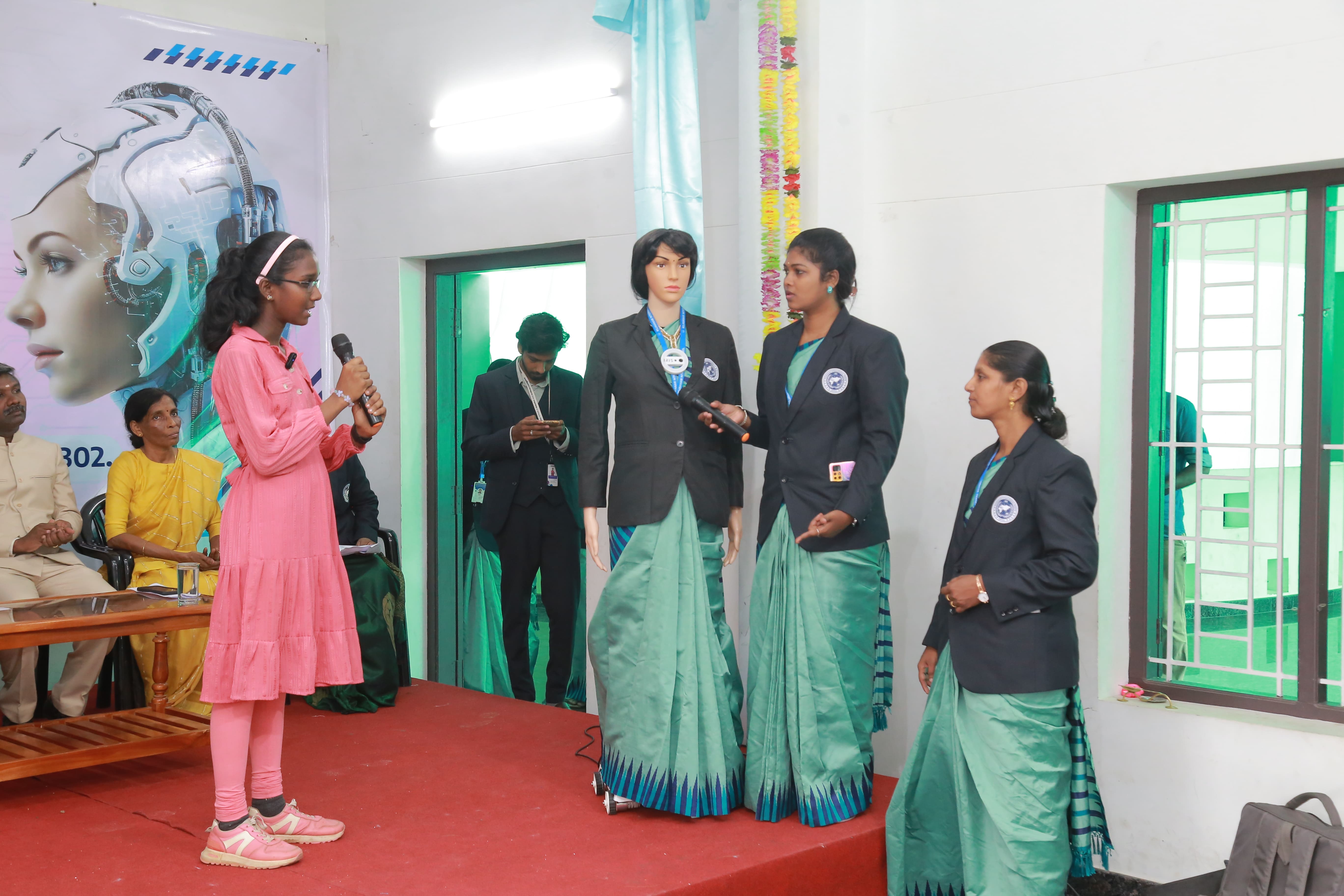
Technology:
Access to computers, internet that enhance learning and teaching methods.
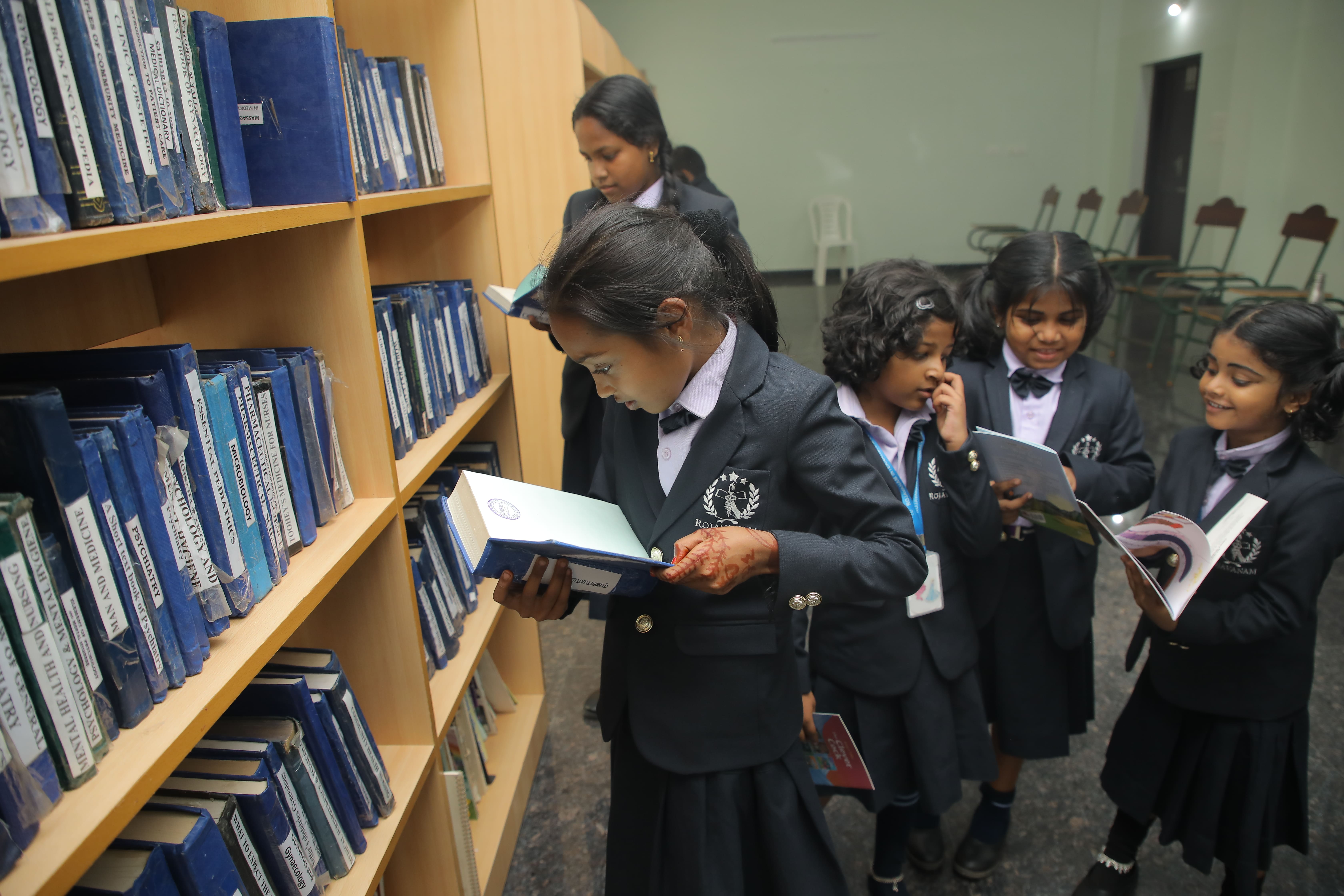
Library/Media Center:
A space for students to read, study, and access books and digital resources, often with computers and study areas.
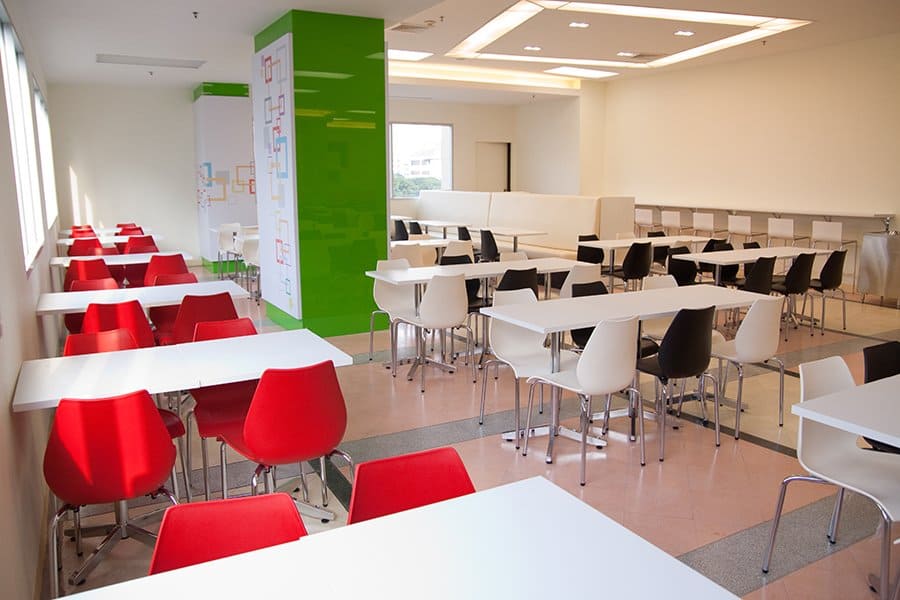
Cafeteria:
A dining area where students can have meals and socialize during breaks.
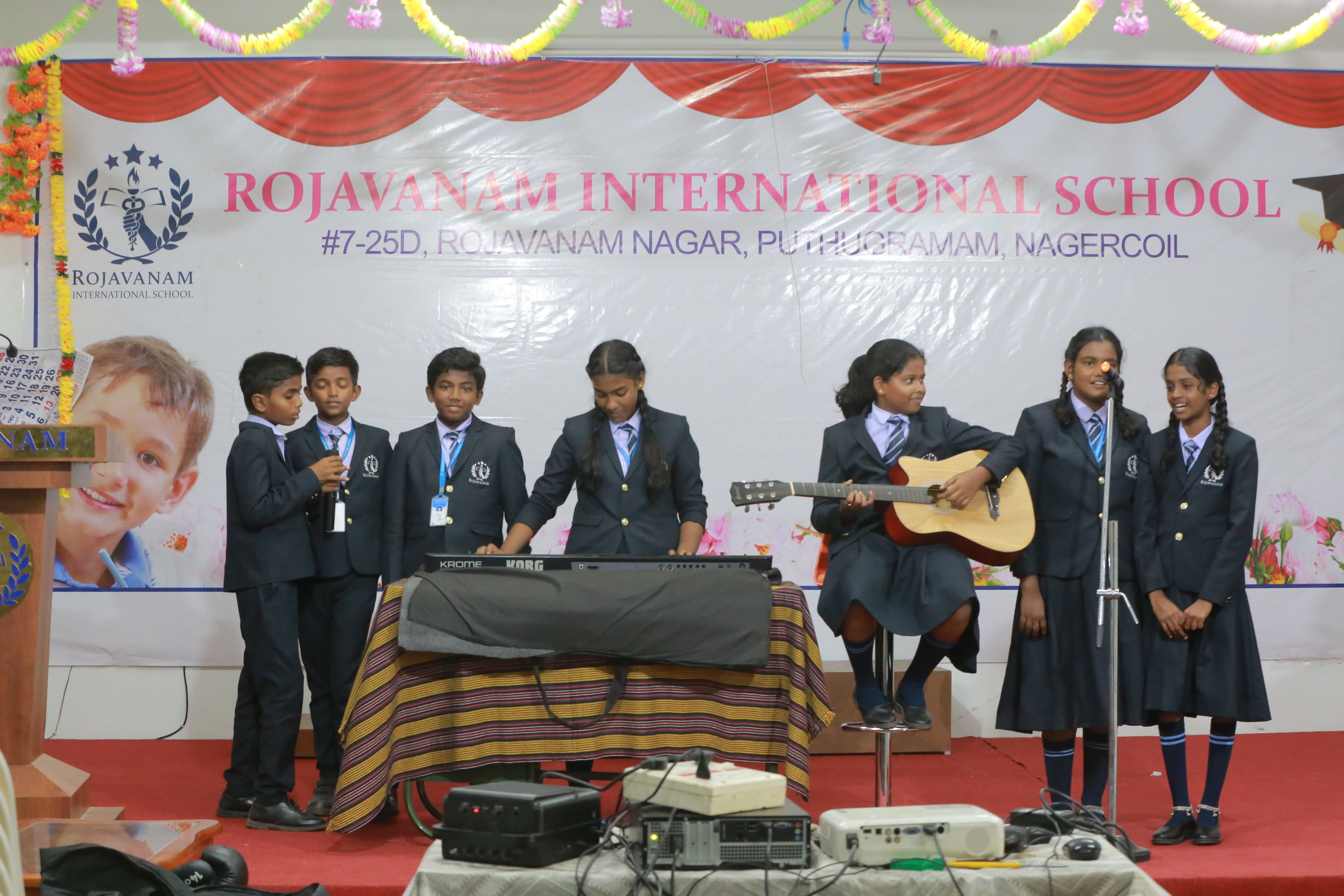
Art and Music Rooms:
Dedicated spaces for creative subjects, equipped with art supplies and musical instruments.
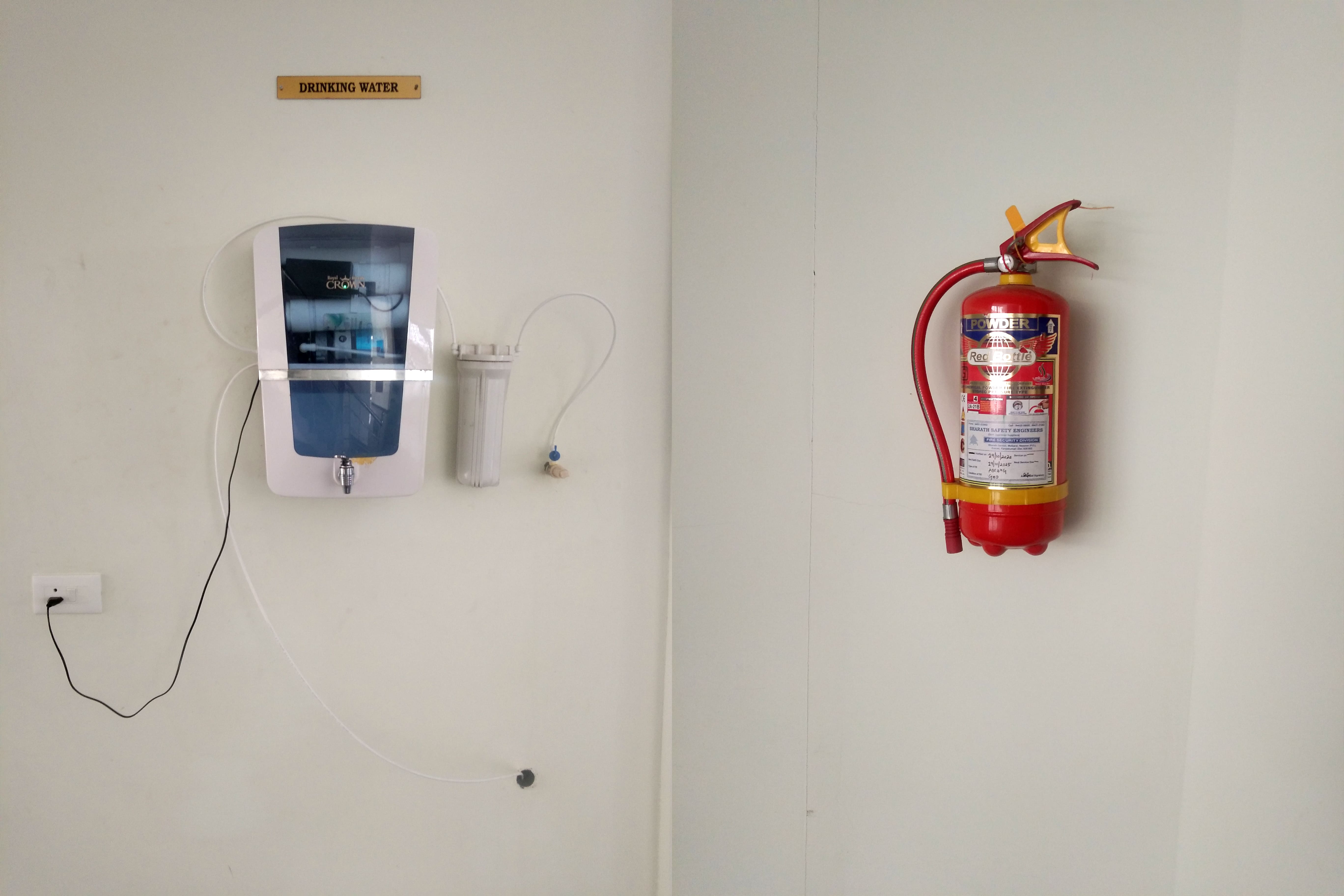
Utilities:
Reliable water supply, heating, cooling, and electricity to ensure a comfortable and functional learning environment.
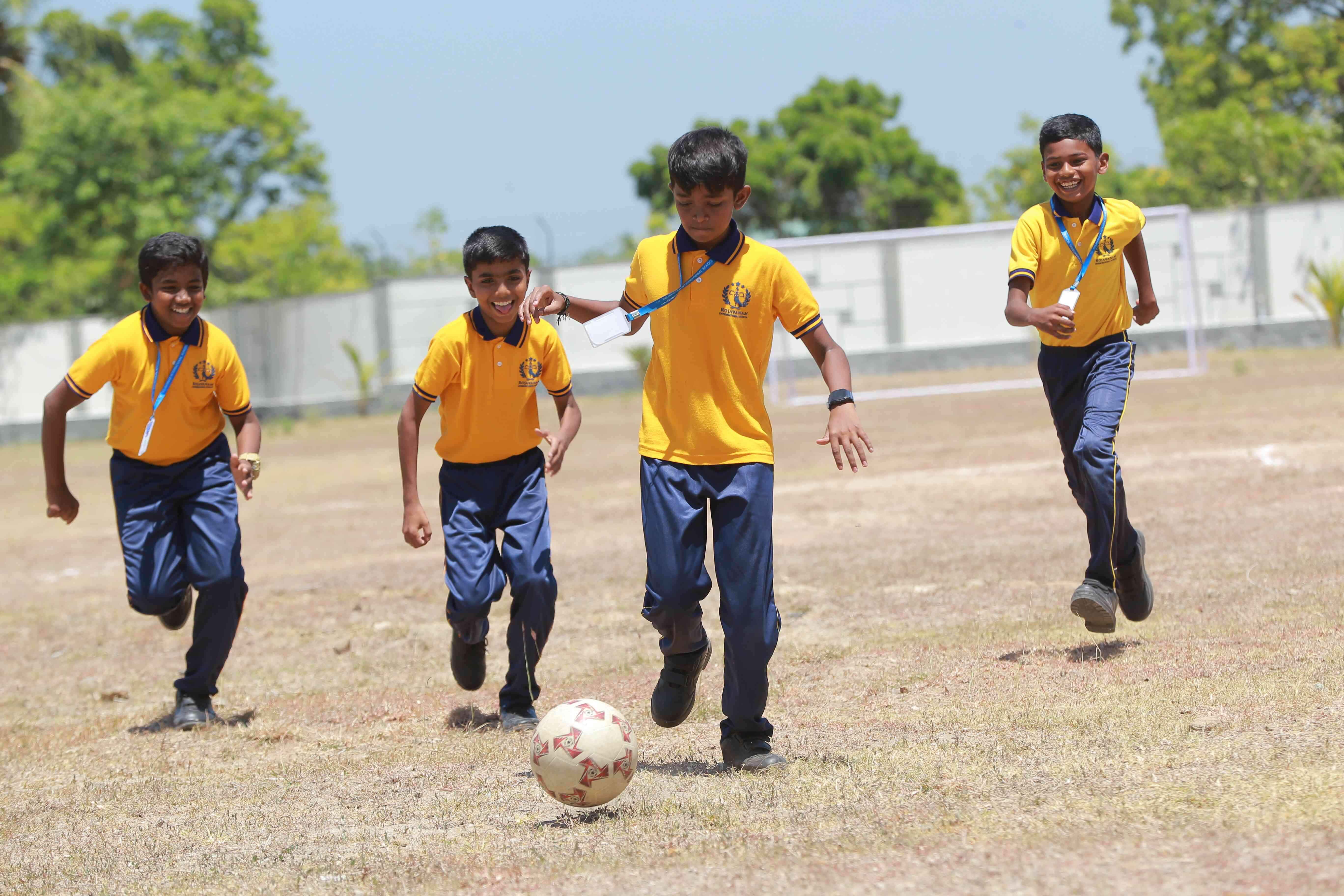
Outdoor Spaces:
Playgrounds, sports fields, and gardens that promote physical activity and outdoor learning.
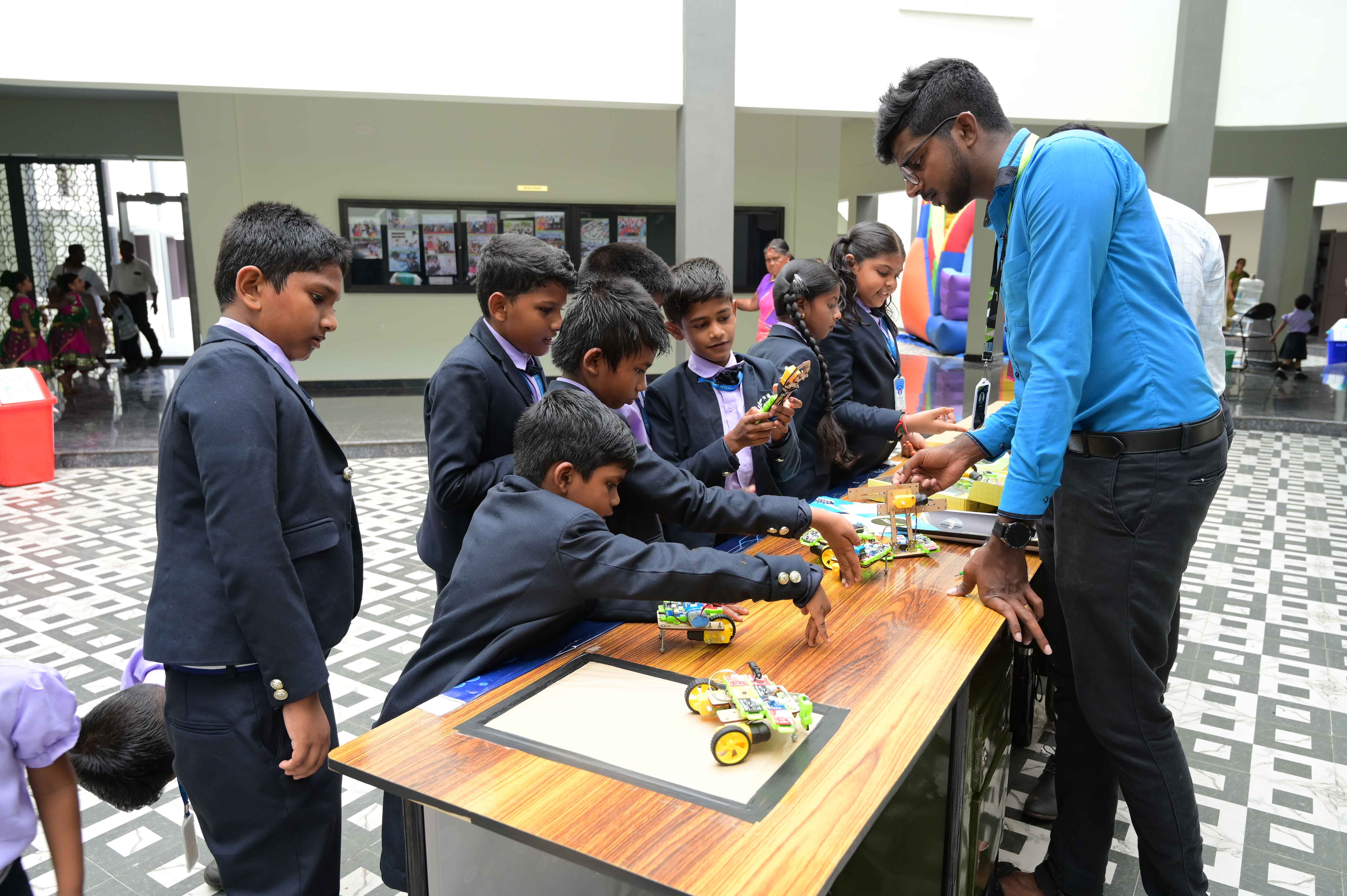
Safety and Accessibility:
Proper lighting, emergency exits, and facilities those are accessible to all students, including those with disabilities.
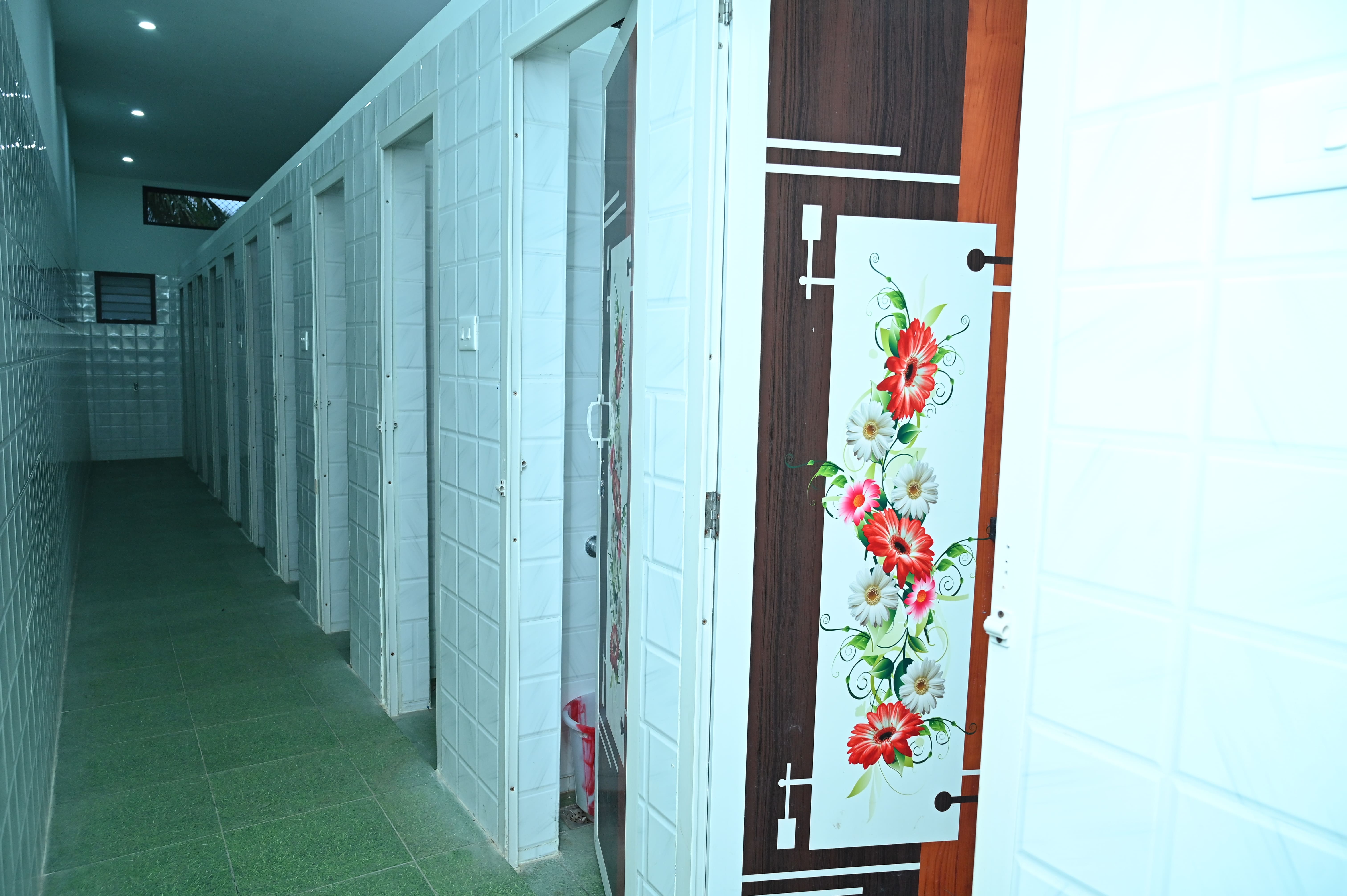
Restrooms:
Adequately maintained facilities for student hygiene and comfort.
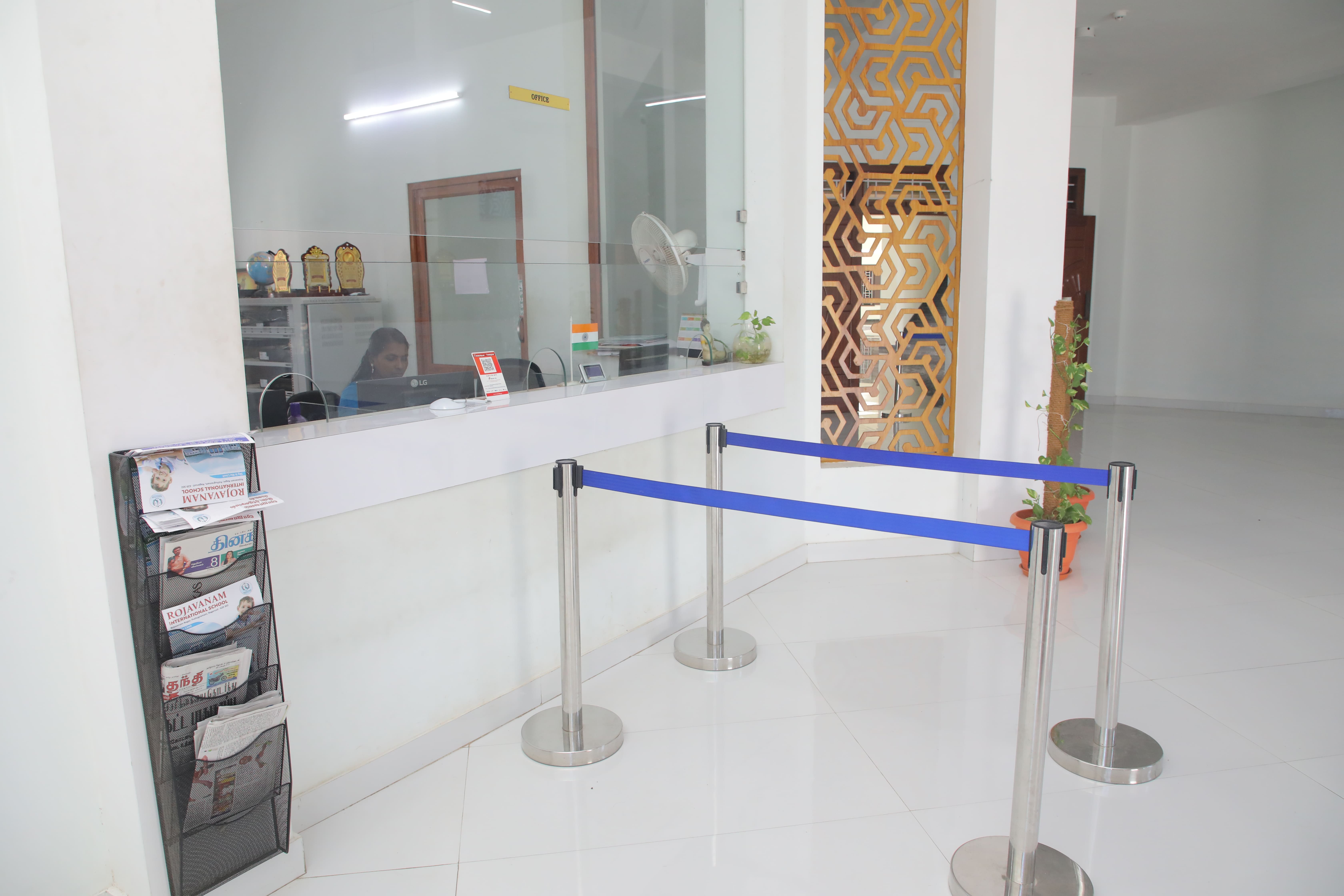
Administrative Offices:
Spaces for school administration, including the principal’s office, guidance counselling, and support services.
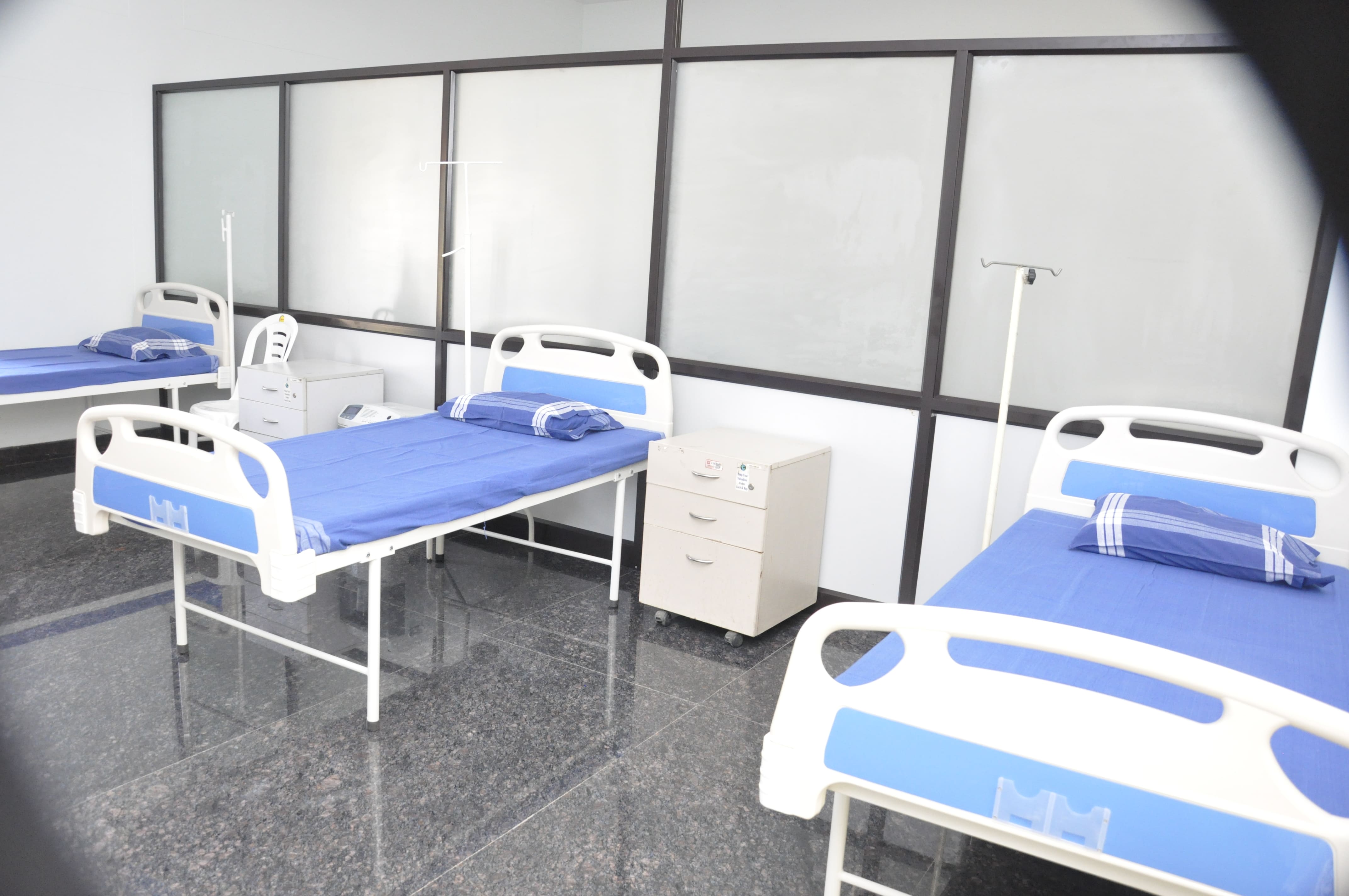
Infirmary:
A space for nurse visits and minor medical care.
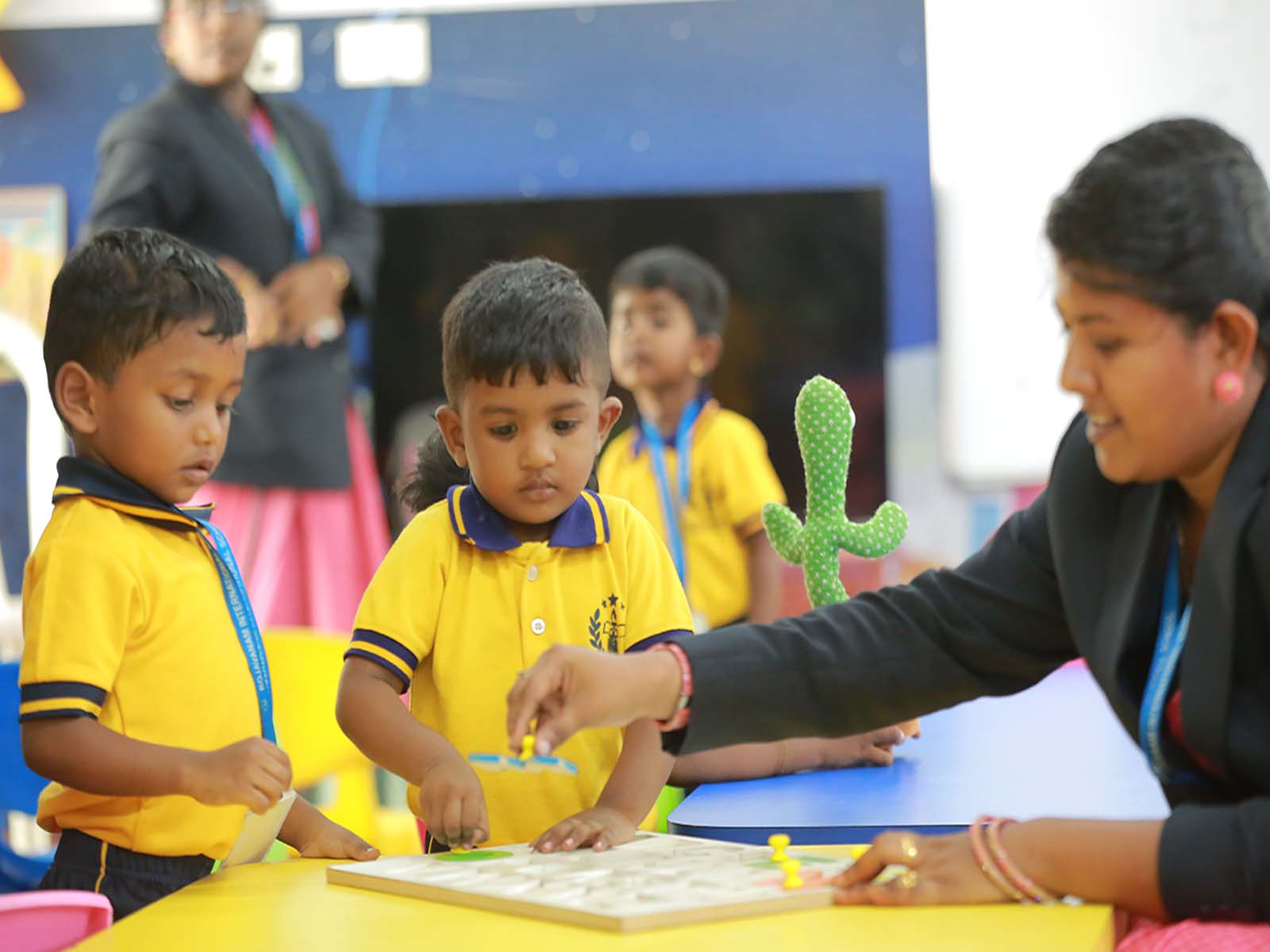
Educators:
At Rojavanam International School, our educators are dedicated professionals who nurture students with care, creativity, and integrity. Through innovative teaching methods, they foster critical thinking, holistic development, and strong values for life.
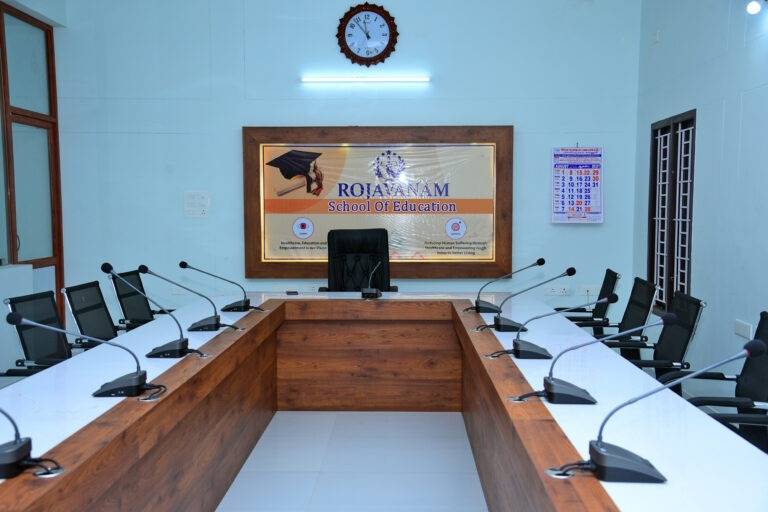
Conference Hall:
The Conference Hall is a modern facility for seminars and collaborative learning, equipped with advanced audio-visual and video conferencing systems. It connects students globally, fostering broader perspectives and real-world exposure.
SCHOOL TRANSPORTATION
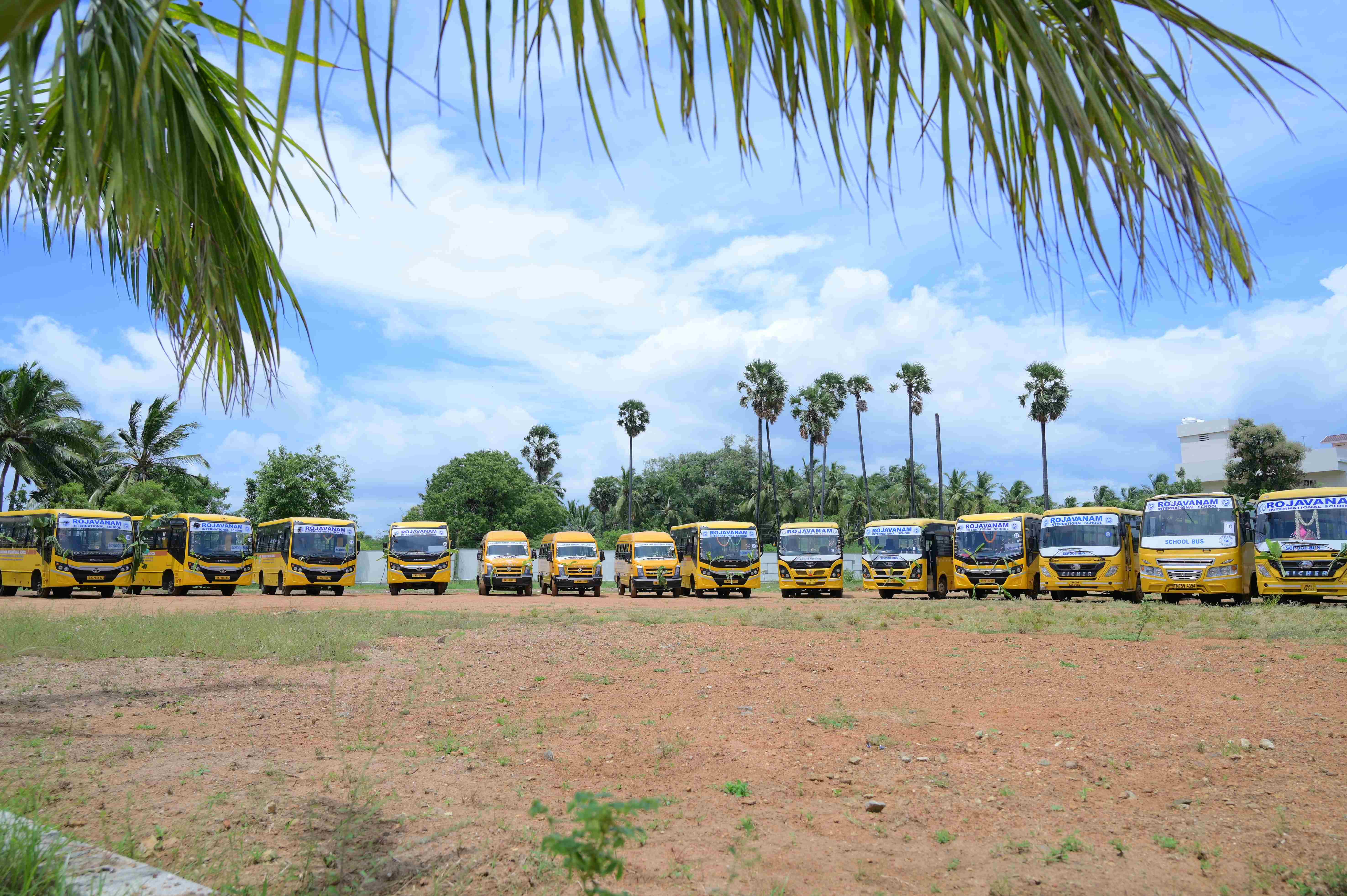
School Buses:
The primary modes of transportation for many students, school buses are designed for safety and efficiency. They often have designated routes to pick up and drop off students.
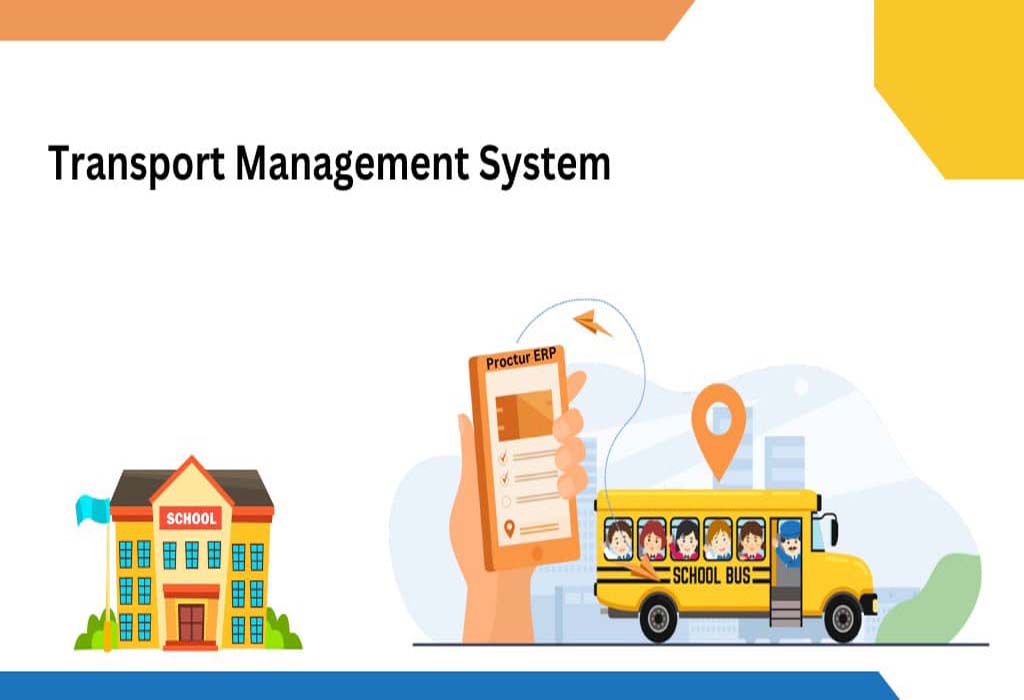
Transportation Management:
Systems in place to monitor and coordinate bus routes, schedules, and safety protocols.
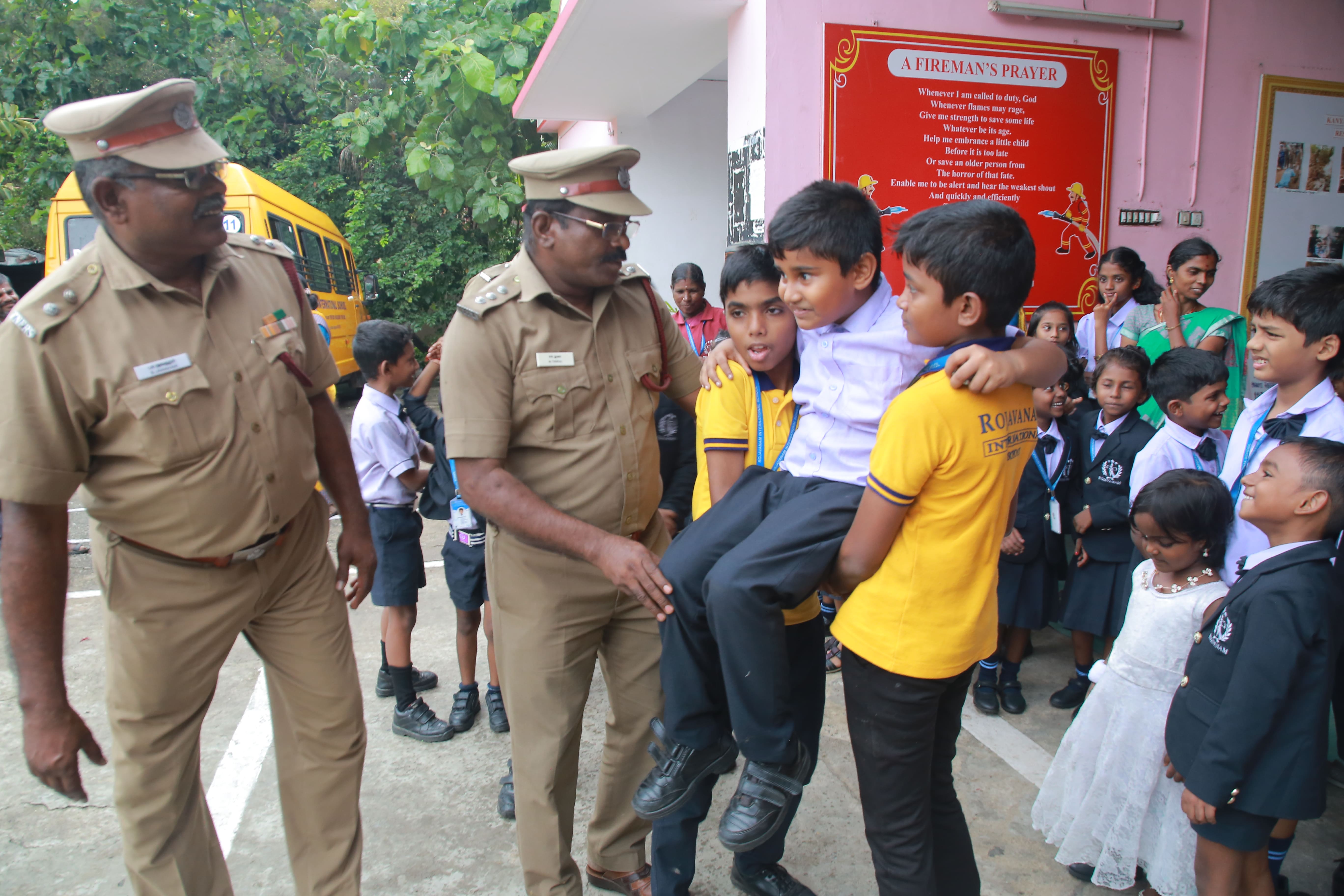
Emergency Protocols:
Plans and training for staff and students to ensure safety during transportation-related incidents.
SCHOOL APP
School app facilities have become increasingly important in enhancing communication and engagement among students, parents, and educators.

Communication:
Communication between school and parents for quick updates and important announcements.

Grades and Assignments:
Access to student grades, assignment details, and feedback from teachers, allowing for better tracking of academic progress.
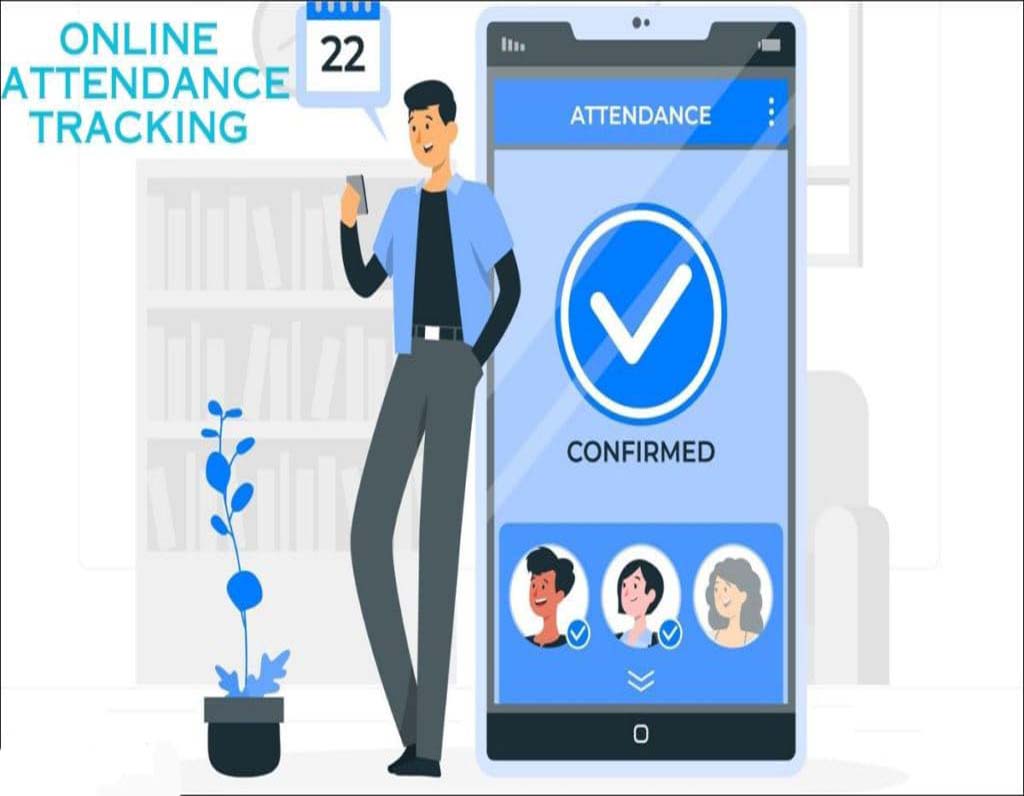
Attendance Tracking:
Real-time updates on attendance, helping parents monitor their child's presence in school.

School News and Notifications:
Push notifications for urgent announcements, such as school closures or safety alerts.
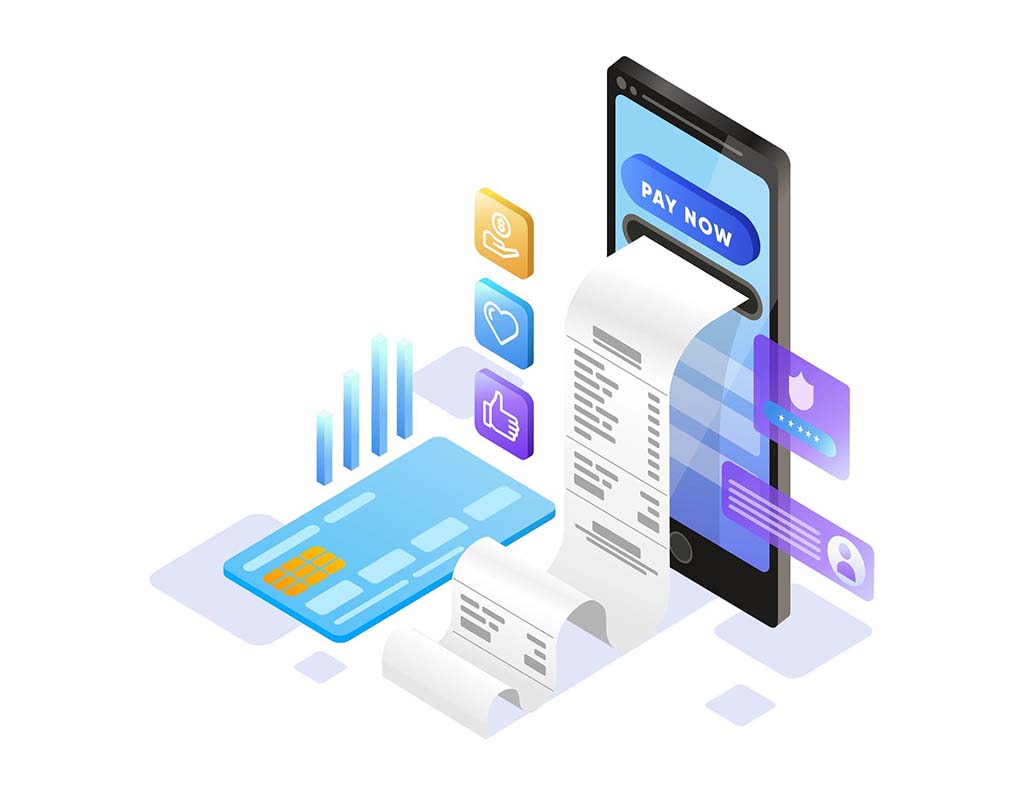
Payment Facilities:
Secure options for paying school fee, transport fee, activity fee & etc. through online.